
Brutalist Posters
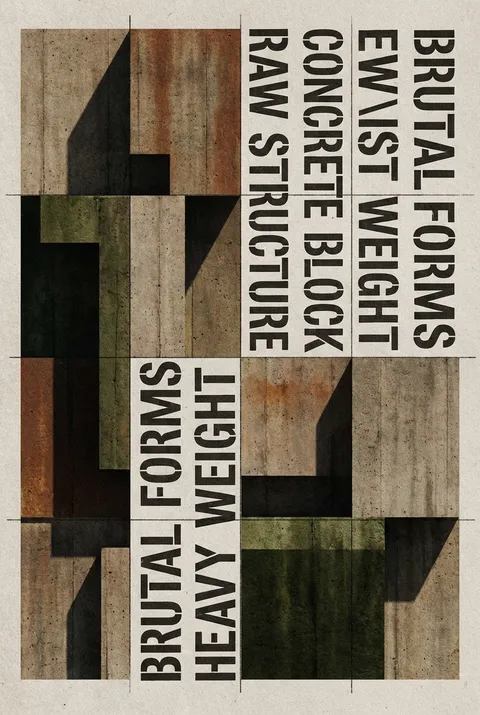
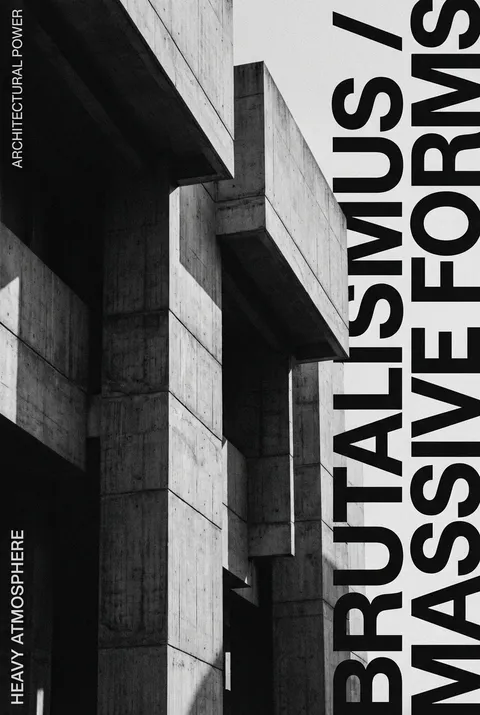
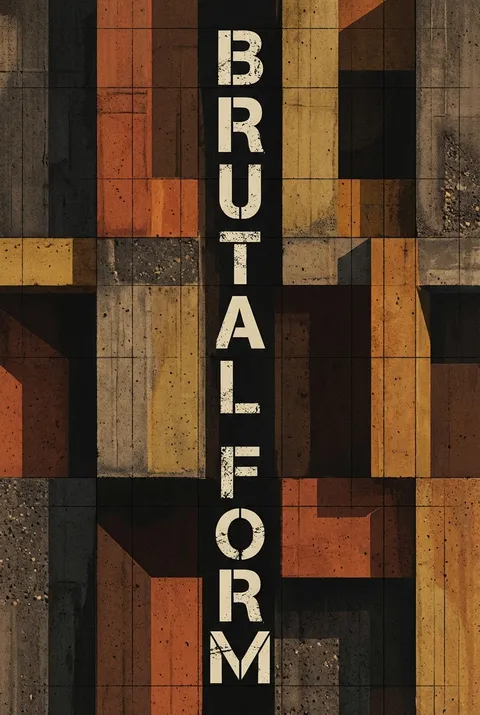
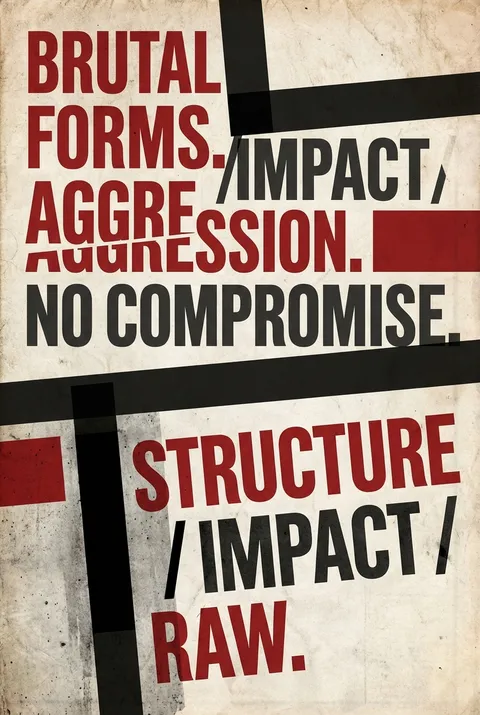
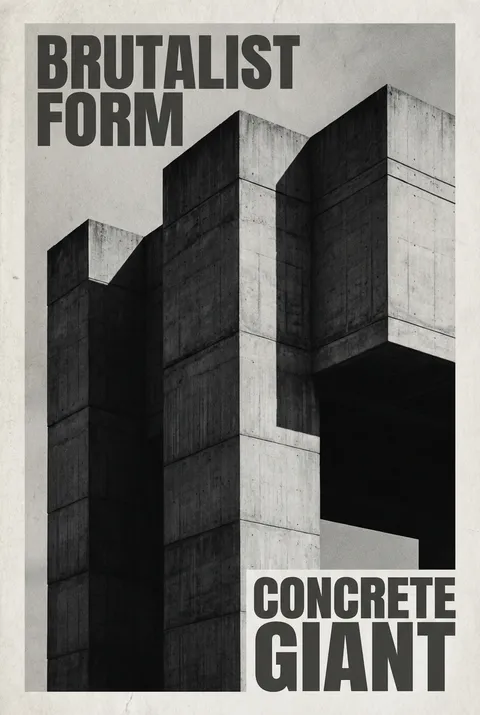
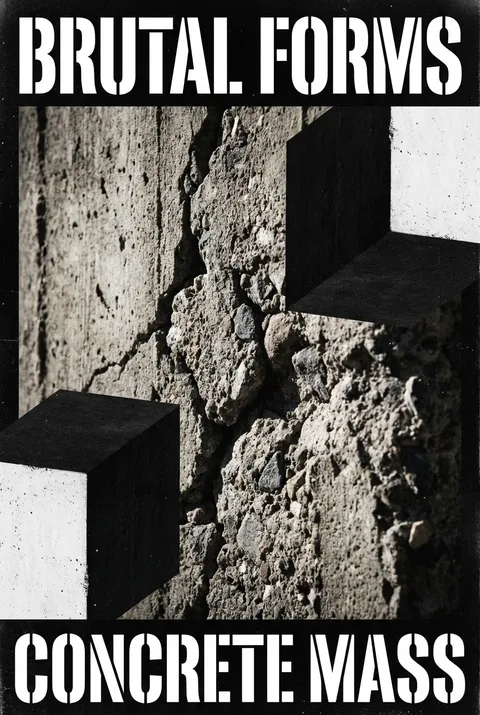
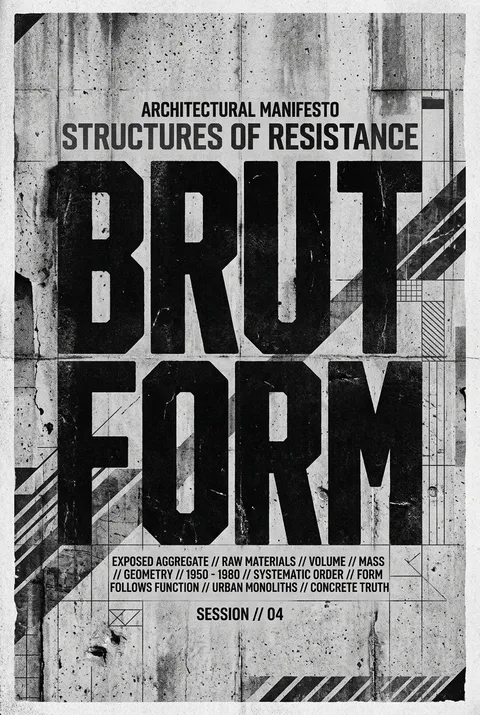
Brutalist design first took shape in 1950s architecture, spearheaded by figures like Alison and Peter Smithson, who championed raw concrete and functional honesty over decorative convention. Translated into design, its philosophy insists on radical transparency—exposing structure, rejecting ornament, and treating typography as physical material. Visual comfort gives way to directness, asserting that authenticity demands the courage to confront rather than appease.
5 credits for new user registration. No credit card required.
Create Your Own Brutalist Poster
Use our AI generator to design Brutalist posters in seconds with full commercial rights.
Create Brutalist Poster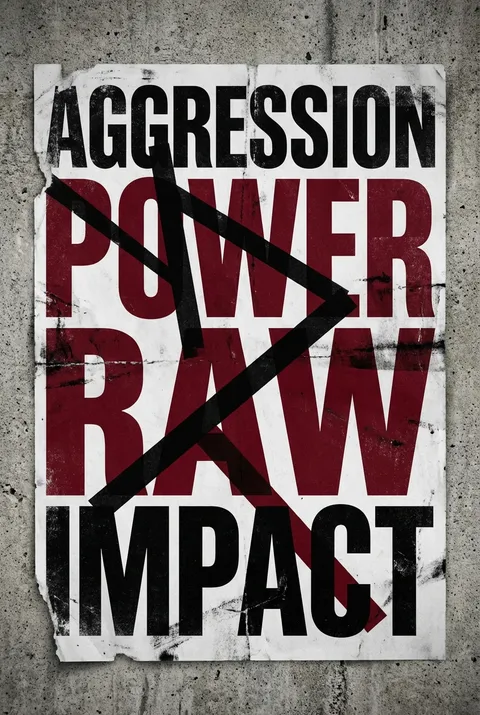
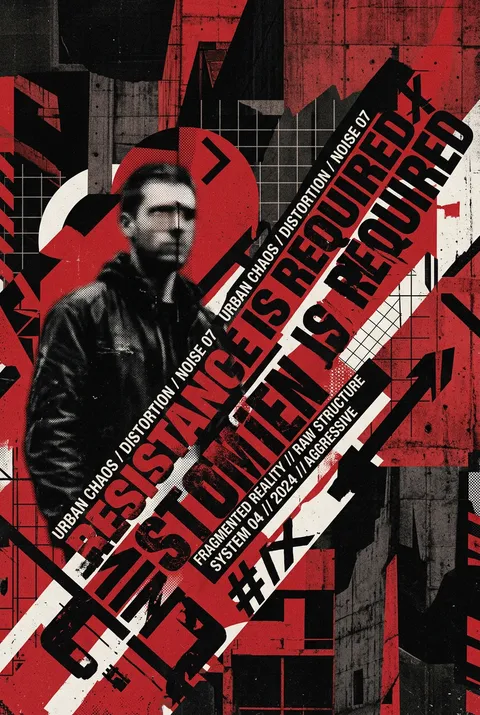
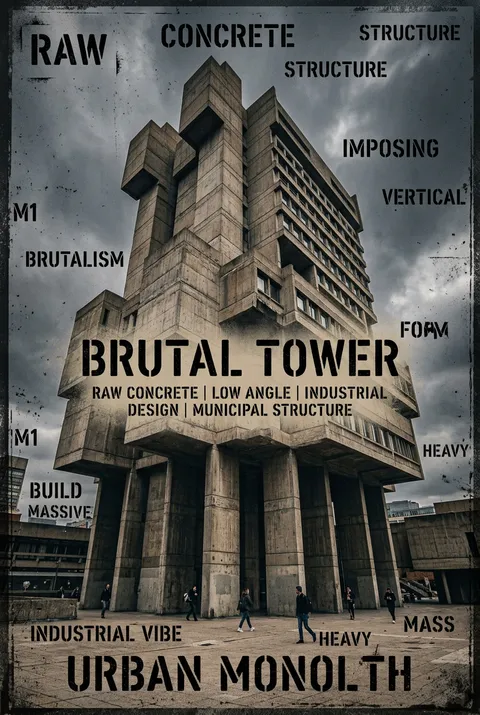
The Art of Brutalist?
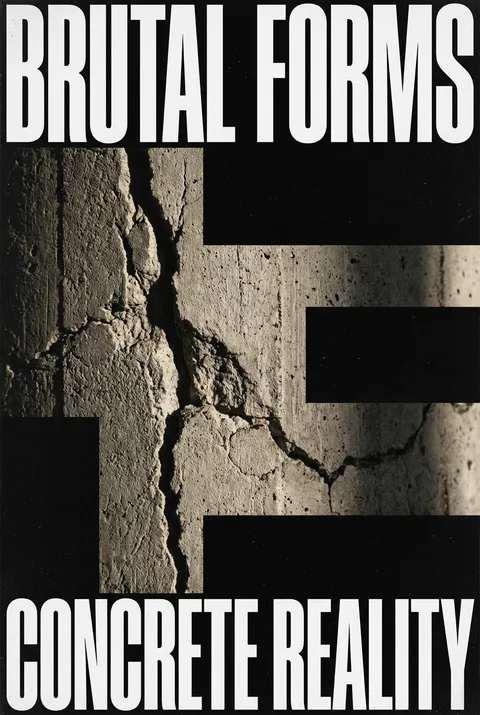
Turn Ideas into Art in Seconds
Describe Your Vision
Simply type your idea or concept for the poster.
Select Brutalist Style
Our AI applies the specific Brutalist design rules to your concept.
Customize & Download
Fine-tune colors, add text, and export in high-resolution.
Why Designers Choose Us
The professional choice for AI-generated design
Instant Speed
Results in < 30s
CC0 License
100% Commercial Use
Fully Editable
Layer-by-layer control
High Res
Print-ready quality
About Brutalist Design
History of Brutalist
Design Philosophy
Related Keywords
Brutalist FAQ
Quick answers about designing Brutalist posters.
What is Brutalism in architecture and design?
Brutalism is a 20th century architectural style characterized by the use of simple, block-like forms and raw concrete structures. The name comes from the French 'béton brut' (raw concrete). It emphasizes materials, texture and construction, producing highly expressive forms. The style strong emphasis on functionality and making buildings in a way that expresses their structural components.
How does brutalism translate to graphic design?
New brutalism in graphic design combines traditional layout concepts with super high contrast, pure colors that often deliberately conflict, and simpler but quirky typography. Colors are moving towards what most other styles would consider ugly or clashing, such as mixing red with blue or green. However, these colors are now also desaturated while remaining equally contrasting.
What are the core principles of brutalist design?
Brutalism strongly emphasizes functionality, with buildings designed to express their structural components. Raw concrete, steel, and modular elements give brutalist buildings their characteristic utilitarian features. In design, this translates to structural exposure, visible grids, undisguised hierarchy, and material honesty—acknowledging the medium rather than hiding it.
Why is brutalism experiencing a revival?
In the past five years, appreciation for Brutalism has surged again. On social media, there are over 500,000 photos with the #brutalism hashtag on Instagram. The style's raw, honest aesthetic appeals to those seeking authenticity in an era of polished digital perfection. Several brutalist buildings have been saved from demolition through public campaigns for preservation.
What did the Smithsons mean when they said brutalism is an ethic?
The Smithsons famously said: 'Brutalism faces a mass-produced society, attempting to discover a rough poetry from the various dominant forces. People treat brutalism as a style, but it is actually an ethic.' This means brutalism is fundamentally about honest expression and confronting reality rather than merely following aesthetic conventions.
Ready to design your next poster?
Create Brutalist Poster