
Art Nouveau Posters
Design Art Nouveau posters with flowing floral lines, Mucha-inspired ornament, vintage layouts, and editable AI templates for elegant poster artwork.
5 credits for new user registration. No credit card required.
Create Your Own Art Nouveau Poster
Use our AI generator to design Art Nouveau posters in seconds with full commercial rights.
Create Art Nouveau Poster
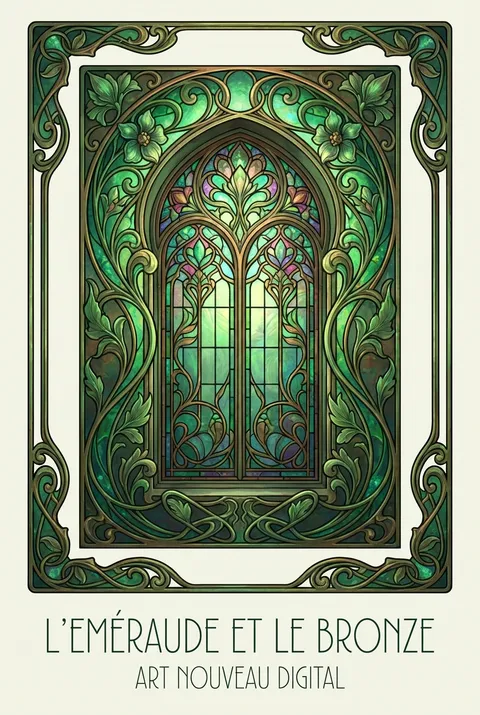
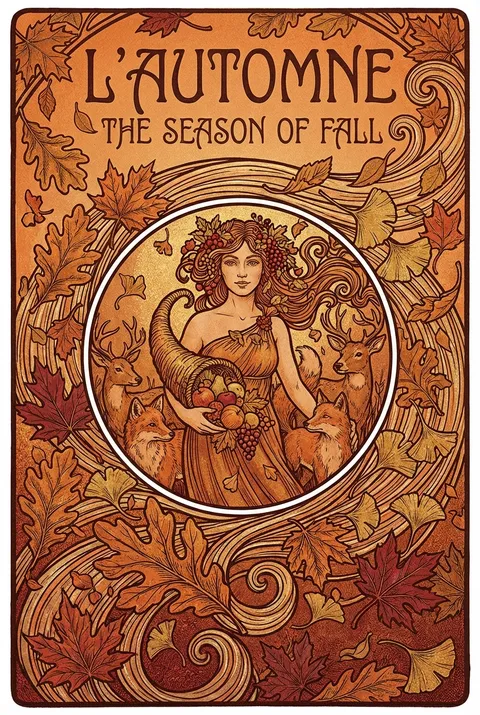
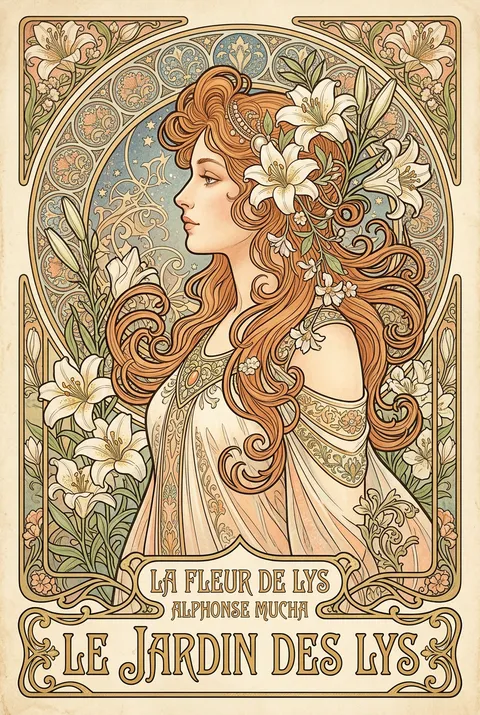
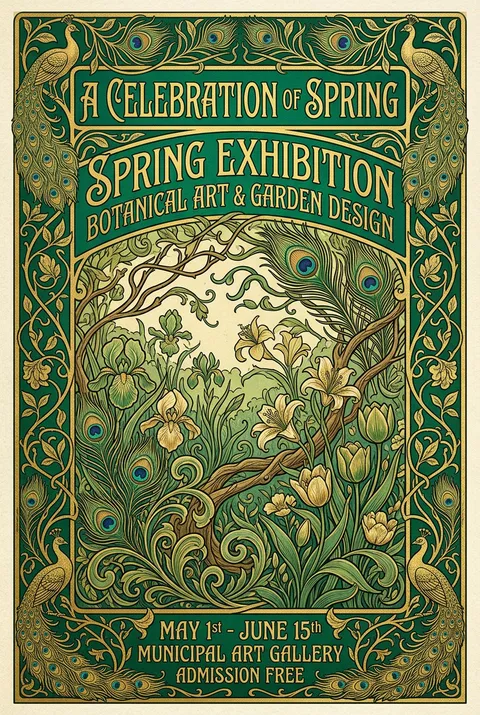
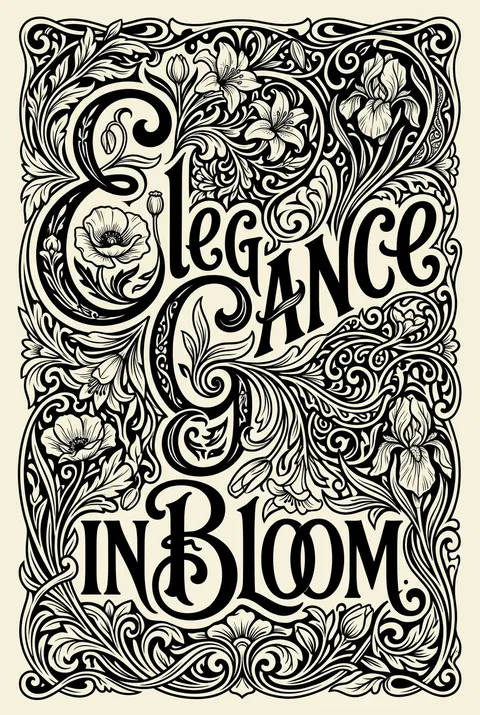
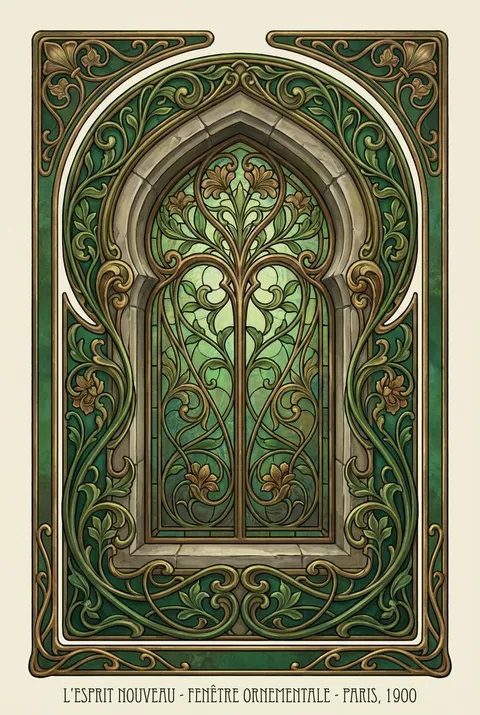
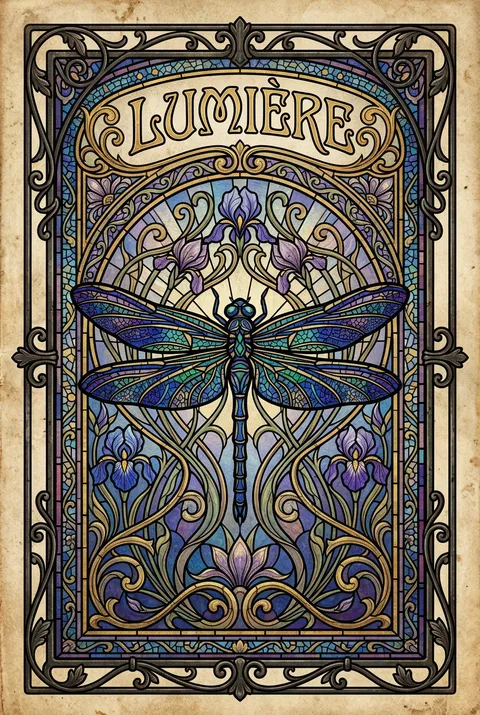
The Art of Art Nouveau?
Turn Ideas into Art in Seconds
Describe Your Vision
Simply type your idea or concept for the poster.
Select Art Nouveau Style
Our AI applies the specific Art Nouveau design rules to your concept.
Customize & Download
Fine-tune colors, add text, and export in high-resolution.
Why Designers Choose Us
The professional choice for AI-generated design
Instant Speed
Results in < 30s
CC0 License
100% Commercial Use
Fully Editable
Layer-by-layer control
High Res
Print-ready quality
About Art Nouveau Design
History of Art Nouveau
Design Philosophy
Related Keywords
Art Nouveau FAQ
Quick answers about designing Art Nouveau posters.
What defines Alphonse Mucha's Art Nouveau poster style?
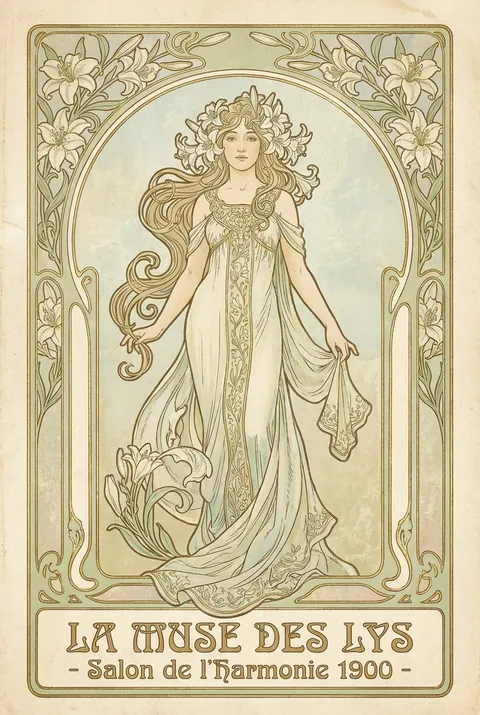
The most enduring legacy of Art Nouveau can be found in poster design—a commercial craft elevated to a modern art form by Czech artist Alfons Mucha. Mucha was one of the most influential figures of the Art Nouveau movement, and the style was even called 'Le Style Mucha' in Paris. His posters featured typical qualities including beautiful women with suggestive gestures, the decorative use of flowers and flowing hair, and subtle yet striking colours.
What visual elements characterize Art Nouveau posters?
Many of Mucha's works feature conventionally beautiful, contemporary women as their subjects, whose soft, traditionally feminine features—including flowing hair, gracefully moving bodies, and fashionable, ornamental clothing—reflect the sinuous curves and nature-inspired motifs that characterized the 'new art' movement. The style Mucha pioneered was sensuous, resplendent in jewel tones, boasted elaborately curving lines, and featured ethereal women.
What are decorative panels in Art Nouveau?
In gaining wider public recognition as the 'Master of the Art Nouveau poster,' Mucha's success in decorative panels ('panneaux décoratifs') played a significant part. These were posters without text—a prototype of today's art posters—designed purely for artistic appreciation or decorating interior walls. The first of Mucha's decorative panels were The Seasons (1896), followed by other popular series including The Flowers (1898), The Arts (1898), and The Moon and the Stars (1902).
How did Art Nouveau influence later design movements?
The influence of Art Nouveau reverberated throughout poster art of the 1960s and 70s, influencing the feminine and organic forms like flowers and peacocks of the psychedelic movement. Mucha's densely patterned posters epitomize the Art Nouveau interest in natural forms, decoration, and a rejection of the anonymity of mechanical production.
What made Mucha's Gismonda poster revolutionary?
His famous Gismonda poster (1895) featured a distinctive shape, muted colouring and exquisitely simplified draughtsmanship, allied to a Byzantine richness of decoration. Mucha's work shifted the concept of poster from just advertising to an art form in its own right, producing legendary images that would define an era. With a palette of muted pastels, the artist drew beautiful women posed against botanical backdrops.
Ready to design your next poster?
Create Art Nouveau Poster