
Art Brut Posters
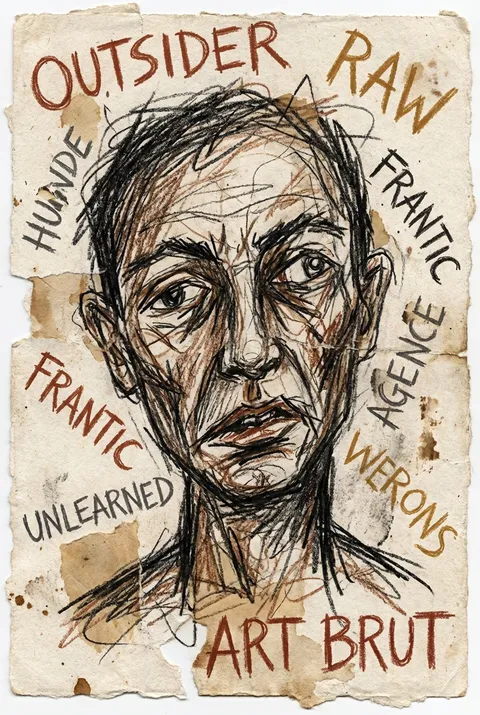
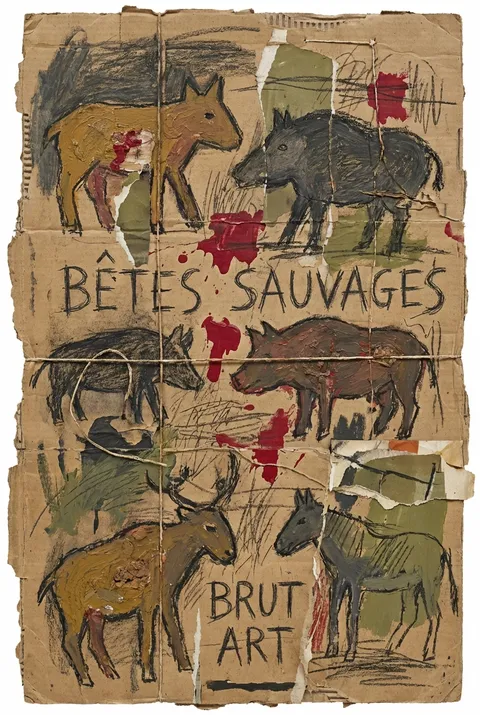
Coined by Jean Dubuffet in 1945 France, Art Brut describes creative expression produced beyond the boundaries of mainstream culture, as seen in the work of figures like Adolf Wölfli, Aloïse Corbaz, and Henry Darger. The philosophy values untrained vision for its direct emotional clarity, prioritizing personal symbolism, obsessive detail, and visceral authenticity above formal technique or conventional artistic norms.
5 credits for new user registration. No credit card required.
Create Your Own Art Brut Poster
Use our AI generator to design Art Brut posters in seconds with full commercial rights.
Create Art Brut Poster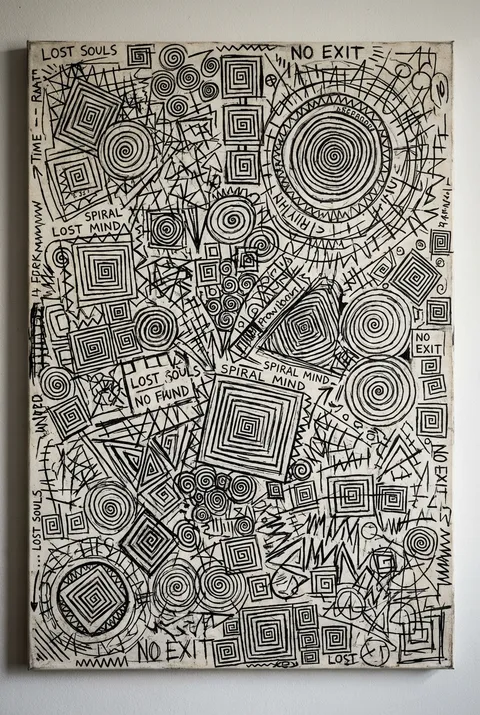
The Art of Art Brut?
Turn Ideas into Art in Seconds
Describe Your Vision
Simply type your idea or concept for the poster.
Select Art Brut Style
Our AI applies the specific Art Brut design rules to your concept.
Customize & Download
Fine-tune colors, add text, and export in high-resolution.
Why Designers Choose Us
The professional choice for AI-generated design
Instant Speed
Results in < 30s
CC0 License
100% Commercial Use
Fully Editable
Layer-by-layer control
High Res
Print-ready quality
About Art Brut Design
History of Art Brut
Design Philosophy
Related Keywords
Art Brut FAQ
Quick answers about designing Art Brut posters.
What is Art Brut and how did it originate?
'Outsider art' was coined in 1972 by art critic Roger Cardinal as the English equivalent for 'art brut' (French for 'raw art' or 'rough art'), a label created in the 1940s by French artist Jean Dubuffet to describe art created outside the boundaries of official culture. Dubuffet focused particularly on art by those on the outside of the established art scene.
What visual characteristics define Art Brut style?
Outsider Artists almost always employ techniques of pattern, and obsessive repetitive design features. There is an attempt to create simple and satisfying order when they themselves are typically touched by an awareness of chaos. Many artists create fantastical images derived from their vivid imaginations including cities, people, animals, all often encased within geometrical shapes.
How does Art Brut differ from academic art?
For Dubuffet, art brut was the raw expression of a vision or emotions, untrammelled by convention, including graffiti, and the work of the mentally ill, prisoners, children, and primitive artists. It was not polished, fashionable, or commercial—it was instinctive, often obsessive, and deeply personal. Most outsider artists never studied in academies.
Who are notable Art Brut artists?
Celebrated outsider artists include Henry Darger (a Chicago janitor whose thousands of pages of illustrated manuscripts revealed fantastical worlds), Adolf Wölfli (a Swiss psychiatric patient who created intricate drawings and narratives blending music, myth, and memory), and Judith Scott (a fiber artist with Down syndrome who transformed yarn and found objects into powerful sculptural forms).
What makes Art Brut powerful in design?
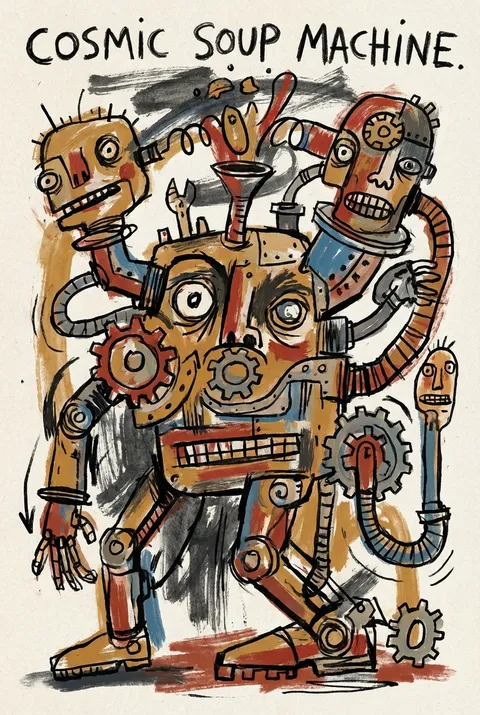
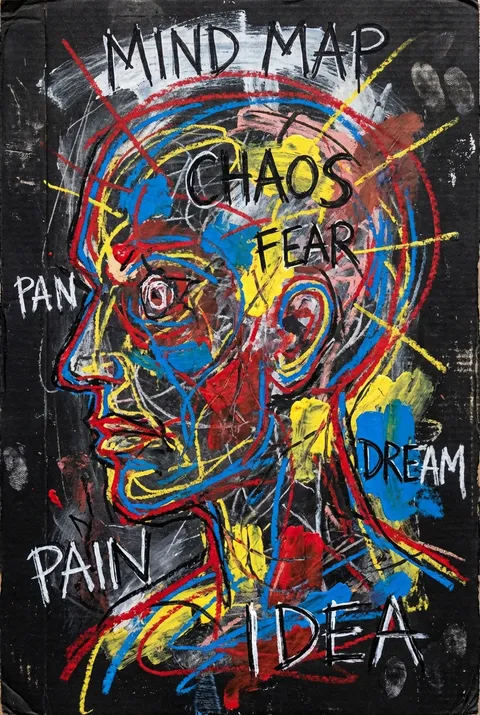
Later works in this tradition, 'passionate and primitive, sometimes pathetic, sometimes obscene, incorporate forms derived from graffiti and psychotic art; painted in thick impasto or constructed in collage, these densely detailed and intensely expressive works convey a sense of teeming life and brutal force.'
Ready to design your next poster?
Create Art Brut Poster