
Analog Punk Posters
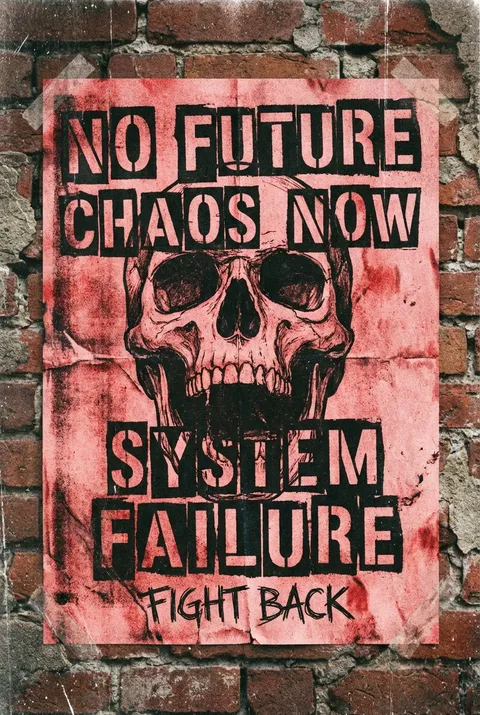
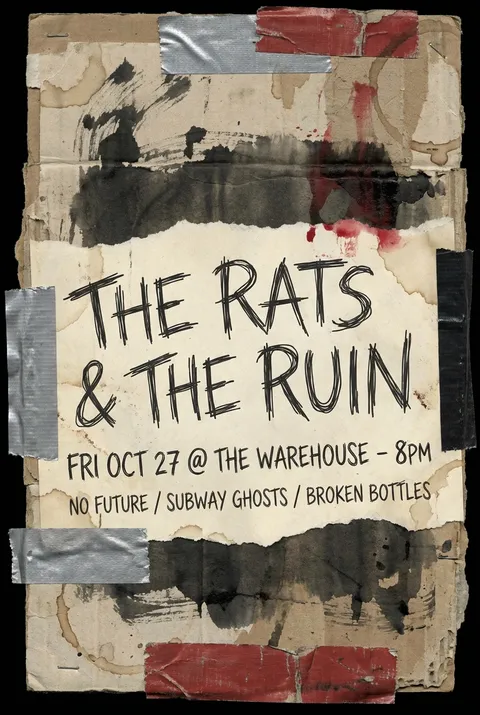
Analog Punk took shape in the late 1970s amid the punk rock movement in London and New York, as artists like Jamie Reid responded to limited resources and the urgency of DIY communication. Its ethos insists that design belongs to everyone—technical roughness and visible process are not flaws, but badges of authenticity, privileging immediacy, rawness, and human imperfection over polish or commercial convention.
5 credits for new user registration. No credit card required.
Create Your Own Analog Punk Poster
Use our AI generator to design Analog Punk posters in seconds with full commercial rights.
Create Analog Punk Poster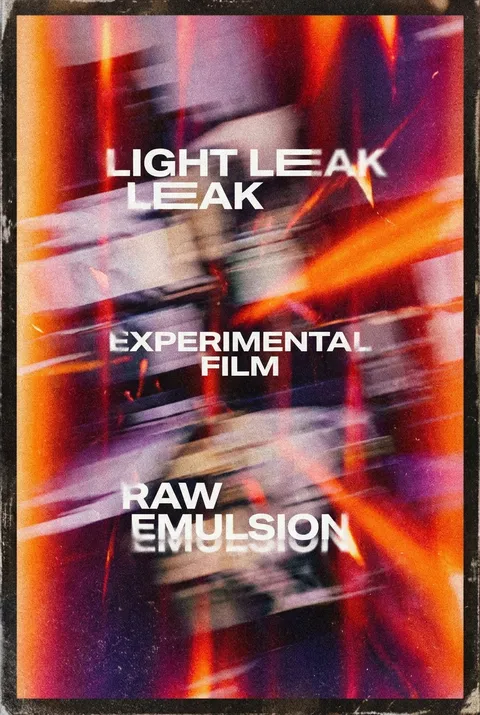
The Art of Analog Punk?
Turn Ideas into Art in Seconds
Describe Your Vision
Simply type your idea or concept for the poster.
Select Analog Punk Style
Our AI applies the specific Analog Punk design rules to your concept.
Customize & Download
Fine-tune colors, add text, and export in high-resolution.
Why Designers Choose Us
The professional choice for AI-generated design
Instant Speed
Results in < 30s
CC0 License
100% Commercial Use
Fully Editable
Layer-by-layer control
High Res
Print-ready quality
About Analog Punk Design
History of Analog Punk
Design Philosophy
Related Keywords
Analog Punk FAQ
Quick answers about designing Analog Punk posters.
What characterizes analog punk graphic design?
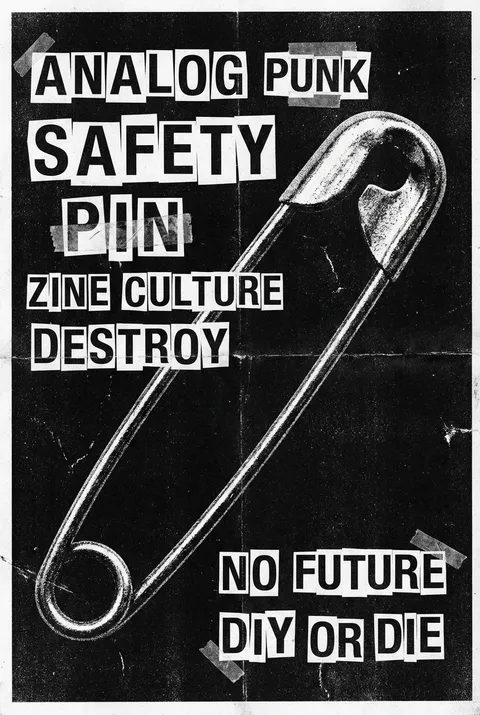
With his lo-fi approach—years before the existence of Photoshop or any other digital design tool—Jamie Reid effectively captured the chaos of the anarchist spirit by visually attacking existing compositions and remixing them into violent contrasts in shape, color, and form. Using a DIY ransom note typographical style, mixed with photocopied elements in menacing compositions.
Why are stencils important in punk design?
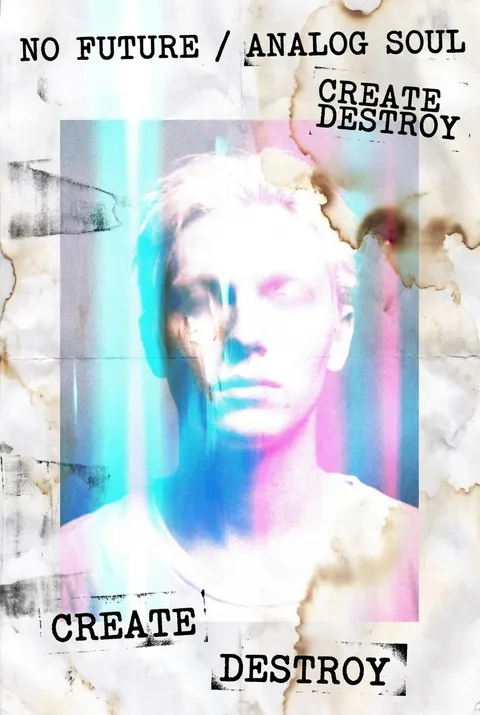
Stencils had frequently been used for their ease of use, their association with the underground through graffiti, denoting something raw and urban, as well as its nature as simply being flawed by design. Afterall, punk always boasted its flaws. The photograph of the band is darkened and two-toned, much like the way a photo looks when photocopied.
How did punk challenge traditional design conventions?
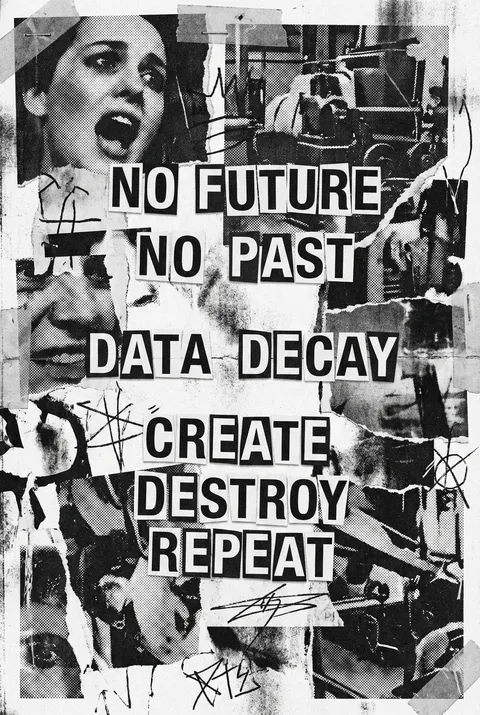
In the heyday of Punk, design wasn't just about aesthetics; it was an uproarious statement, an anthem of dissent. In its raw textures, clashing typefaces, and chaotic collage, the Punk aesthetic spat in the face of convention. Independently made 7-inch vinyl became the center of design for the nihilistic disruptors, influenced by Dadaist collage.
How has punk influenced modern graphic design?
The visual language created around punk music has always been as important as the sound itself in establishing the ethos of punk. The practitioners of early punk design channeled youthful outrage, took influence from art history, and tore open the conventions of modern commercial design. Their analog techniques and striking visuals have influenced graphic design ever since.
What is 'Analog Punk' as a retrofuturistic genre?
Analog Punk refers to works that employ an aesthetic reminiscent of the early 1980s through the 1990s, often taking place in the future or an alternate timeline. Especially typical is the use of post-1960s tech such as audio cassettes, CRT displays, floppy disks or CD-ROMs rather than USB flash drives, cell phones, and flat-screen monitors.
Ready to design your next poster?
Create Analog Punk Poster