
Abstract Posters
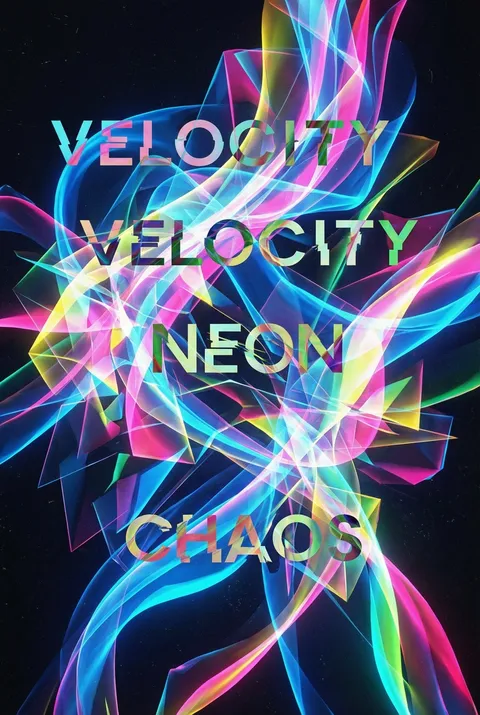
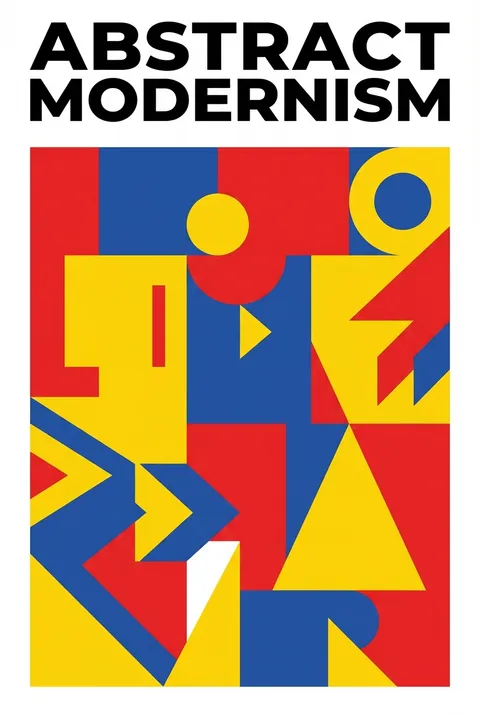
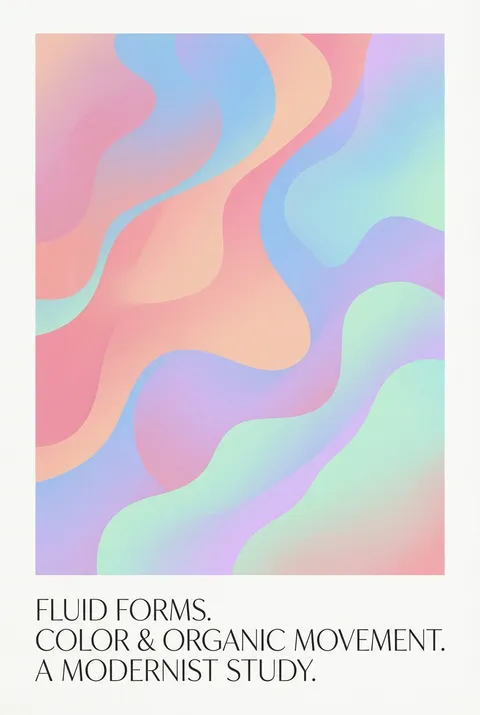
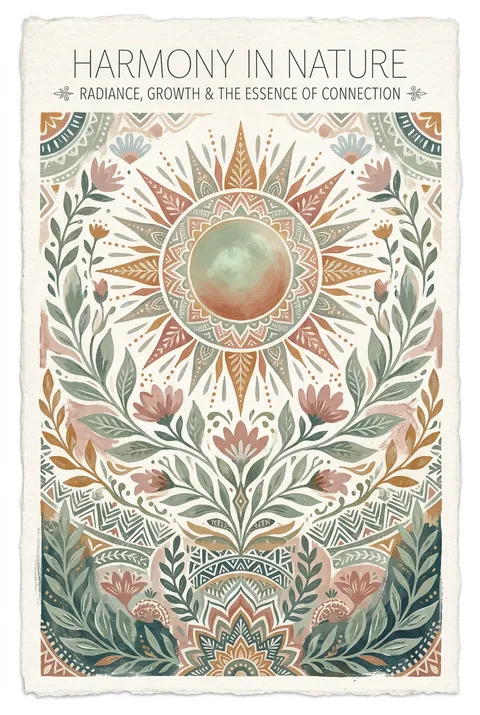
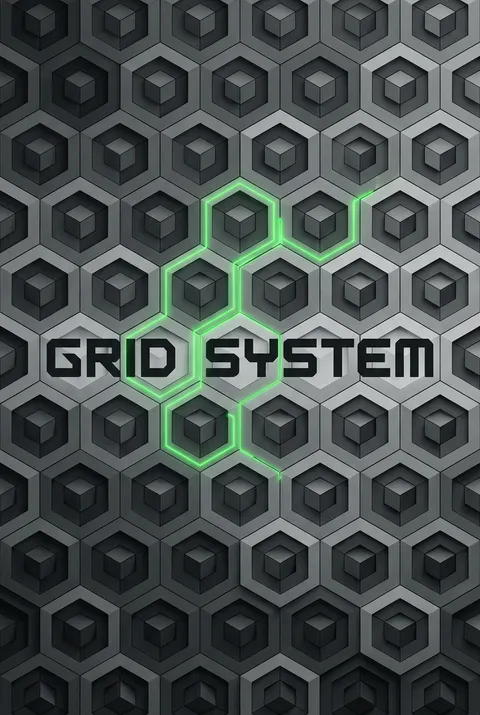
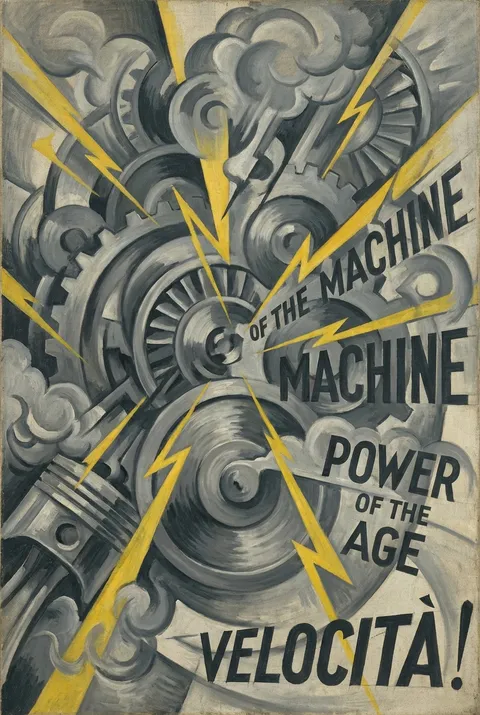
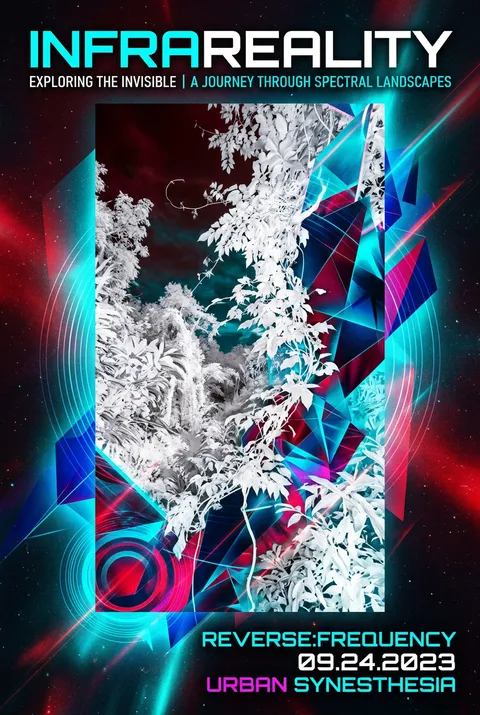
Abstract art took shape in the early 20th century as artists like Wassily Kandinsky and Hilma af Klint sought liberation from representational imagery. Its philosophy asserts that pure visual elements—color, line, and shape—convey emotional and psychological resonance on their own terms. Rather than illustrating subjects, abstract design orchestrates these fundamentals to evoke direct, sensory responses in the viewer.
5 credits for new user registration. No credit card required.
Create Your Own Abstract Poster
Use our AI generator to design Abstract posters in seconds with full commercial rights.
Create Abstract Poster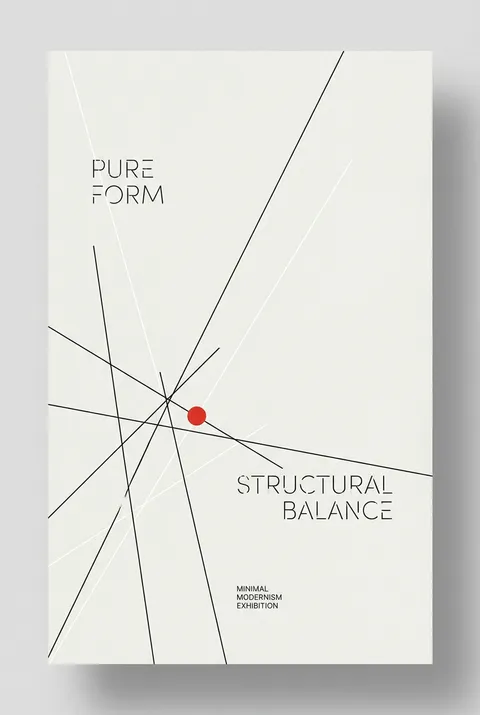

The Art of Abstract?
Turn Ideas into Art in Seconds
Describe Your Vision
Simply type your idea or concept for the poster.
Select Abstract Style
Our AI applies the specific Abstract design rules to your concept.
Customize & Download
Fine-tune colors, add text, and export in high-resolution.
Why Designers Choose Us
The professional choice for AI-generated design
Instant Speed
Results in < 30s
CC0 License
100% Commercial Use
Fully Editable
Layer-by-layer control
High Res
Print-ready quality
About Abstract Design
History of Abstract
Design Philosophy
Related Keywords
Abstract FAQ
Quick answers about designing Abstract posters.
Who were the pioneers of abstract art?
Wassily Kandinsky was one of the pioneers of the art form. His pieces contain lots of objects and shapes pasted together in a painterly collage. Kandinsky thought his pieces saw through to an alternative spiritual path. They are erratic, full of colour and texture, and they make you think. Other artists who were a big part of the abstract movement were the likes of Jackson Pollock and Mark Rothko.
How can abstract poster art enhance interior spaces?
Abstract poster art looks brilliant in all homes. In a minimalist home, one piece of wall art can create a huge impact on a space. With white walls and clean furniture, a modern art piece brings life to your wall and is stunning at the same time. Figurative geometric designs come imbued with personality. These posters are the perfect wall décor to provide something fascinating to look at and get our brains working.
How should I style abstract and geometric posters?
When styling your abstract or geometric posters, colours can be drawn out of these designs to use as accents elsewhere in the space. This subtle but powerful method will help draw the space together. Try picking up on some of the subtler tones used in the poster and get a matching throw or cushions. This sort of attention to detail will not go unnoticed! It actually brings about a sense of relaxation and harmony.
What makes abstract designs effective for work spaces?
Try hanging one of these designs in a space you work in. You'll find yourself mesmerised by twirling patterns or thought-provoking shapes. Sometimes, this is exactly the stimulation your brain needs. Within abstract poster collections, there are a variety of modern designs featuring every colour under the rainbow. And these designs can be minimalist too. Geometric collections have real flair whilst being both sleek and sophisticated.
Which famous artists inspire modern abstract poster design?
Jackson Pollock's pieces are famous because of how confident they are. Pollock created his work by dripping paint across a huge canvas and trailing sticks and brushes through it. Mark Rothko's color field work influences contemplative, emotionally resonant pieces. These abstract expressionists have been categorised under the label of abstract expressionism and demonstrated how non-representational art can communicate profound ideas and feelings.
Ready to design your next poster?
Create Abstract Poster