
elegant dark romantic Posters
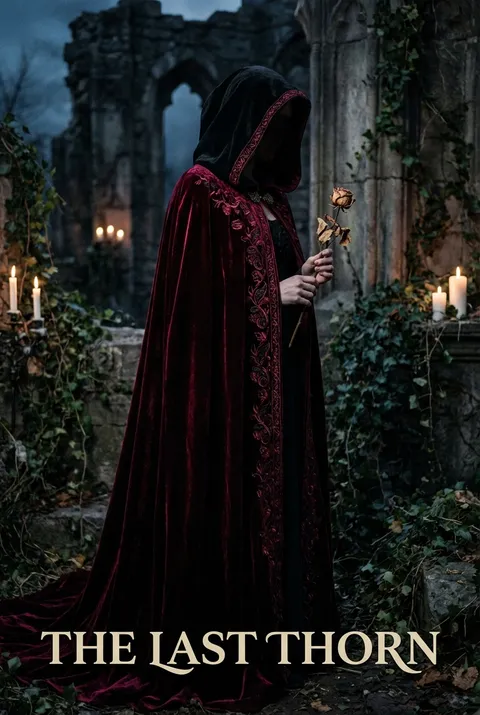
Gothic design originated in medieval Europe, first shaping cathedrals and illuminated manuscripts with soaring arches, intricate ornament, and dramatic interplay of shadow and light. Its philosophy finds beauty in darkness and decay, embracing mortality, mystery, and melancholy as sources of romantic elegance. Gothic design transforms the somber and the mysterious into visual poetry, revealing depth and allure within the shadowed corners of experience.
5 credits for new user registration. No credit card required.
Create Your Own elegant dark romantic Poster
Use our AI generator to design elegant dark romantic posters in seconds with full commercial rights.
Create elegant dark romantic Poster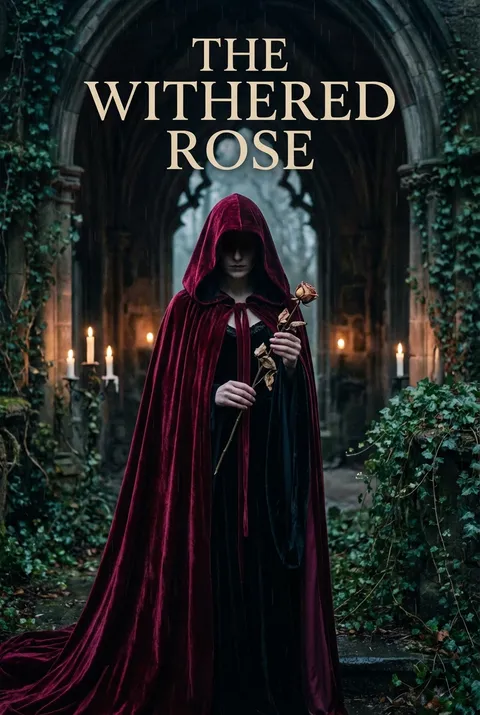
The Art of elegant dark romantic?
Turn Ideas into Art in Seconds
Describe Your Vision
Simply type your idea or concept for the poster.
Select elegant dark romantic Style
Our AI applies the specific elegant dark romantic design rules to your concept.
Customize & Download
Fine-tune colors, add text, and export in high-resolution.
Why Designers Choose Us
The professional choice for AI-generated design
Instant Speed
Results in < 30s
CC0 License
100% Commercial Use
Fully Editable
Layer-by-layer control
High Res
Print-ready quality
About elegant dark romantic Design
History of Gothic
Design Philosophy
elegant dark romantic FAQ
Quick answers about designing elegant dark romantic posters.
What are the defining architectural elements of Gothic style?
Gothic architecture is characterized by three revolutionary structural innovations: pointed arches that allow greater height and more efficient weight distribution than rounded Romanesque arches; ribbed vaults that create skeletal ceiling frameworks enabling taller, more open interiors; and flying buttresses that externalize structural support, allowing walls to be thinner and accommodate large windows. These elements work together to create soaring, light-filled spaces.
Why is Gothic architecture associated with darkness despite its emphasis on light?
This paradox stems from multiple factors. The exterior materials—limestone, sandstone, granite—create gray and brown facades that appear somber, especially in atmospheric weather. Decorative elements like gargoyles add an otherworldly quality. The term 'Gothic' itself was originally pejorative, used by Renaissance critics who considered the style barbaric compared to classical architecture. Yet the interior experience prioritizes divine light through magnificent stained glass windows.
How did Gothic style evolve throughout its history?
Gothic architecture developed through distinct phases: Early Gothic (1140-1200) established foundational techniques; High Gothic (1200-1280) achieved greater height and refinement; Rayonnant (1280-1350) emphasized elaborate window tracery and delicate stonework; and Flamboyant Gothic (1350-1500) featured flame-like, flowing decorative patterns. Each phase pushed structural possibilities further while developing increasingly ornate decorative vocabularies.
What decorative elements are distinctive to Gothic design?
Gothic buildings feature elaborate sculptural programs including colonettes, ornate moldings, religious figurines, and statuary. Pinnacles and spires reach skyward, emphasizing verticality. Gargoyles serve as waterspouts while adding fantastical character. Stained glass windows tell stories through colored light. Intricate tracery fills window openings with geometric patterns. Together these elements create spaces that feel both earthly and transcendent.
Ready to design your next poster?
Create elegant dark romantic Poster