/
50,000 张海报已创建

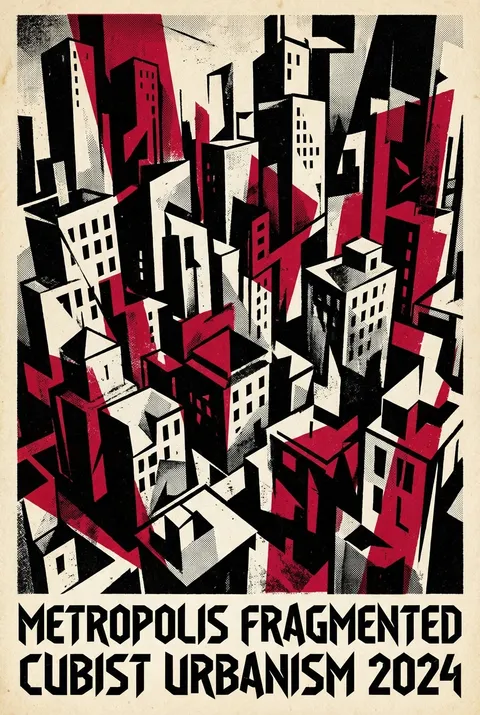
立体主义 风格海报

立体主义(Cubism)起源于20世纪初的法国,由Pablo Picasso和Georges Braque共同推动。他们突破了传统的单一透视法,探索表现现实的新方式。立体主义设计强调多视角的交错,通过将形体分解为几何碎片和层次,让观者在同时性中重构意义,而非依赖单一、具象的画面。这一理念体现了对现实多维认知的追求和创新精神。

新用户注册赠送5积分,无需信用卡
商用授权随时取消

立即创建 立体主义 海报

用 AI 几秒生成专业 立体主义 设计。无需设计技能。

开始创作
风格指南

探索 立体主义?

立体主义(Cubism)起源于20世纪初的法国,由Pablo Picasso和Georges Braque共同推动。他们突破了传统的单一透视法,探索表现现实的新方式。立体主义设计强调多视角的交错,通过将形体分解为几何碎片和层次,让观者在同时性中重构意义,而非依赖单一、具象的画面。这一理念体现了对现实多维认知的追求和创新精神。
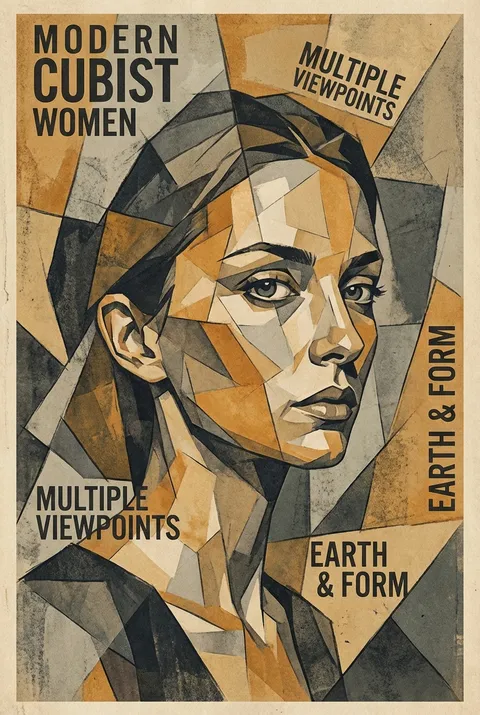
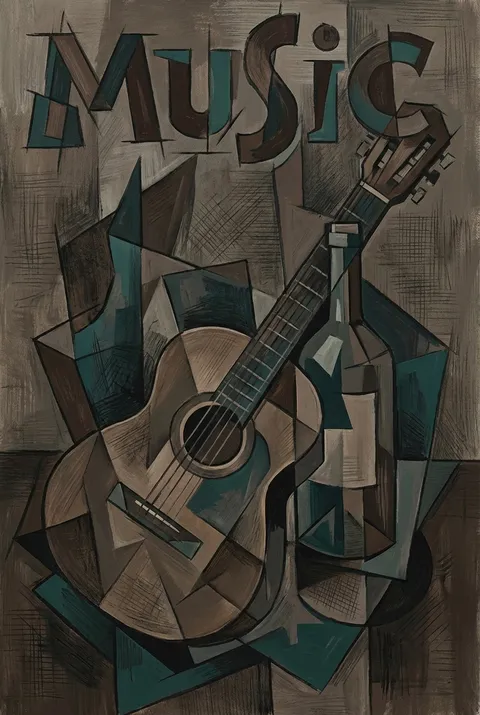
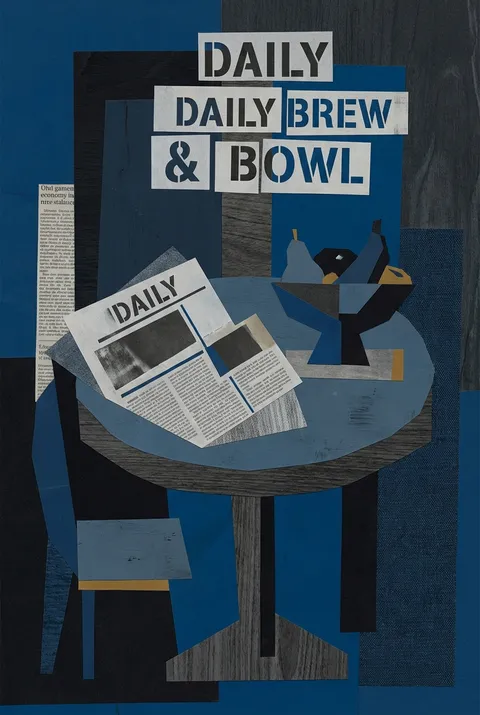
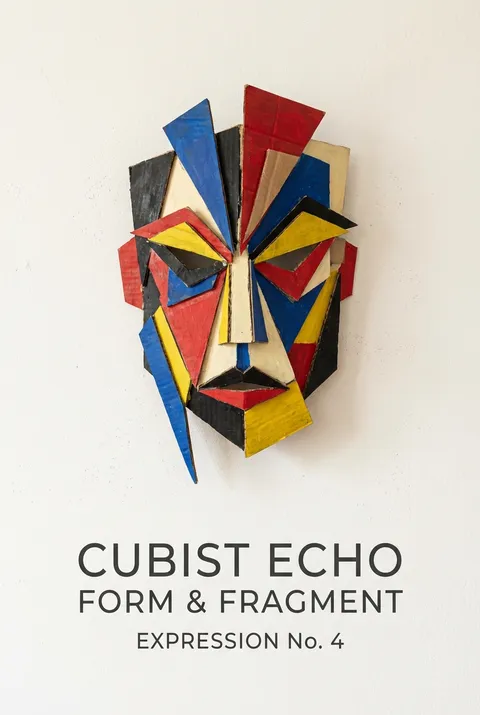
立体主义 风格海报示例

观看:30秒创建海报

如何创建 立体主义 海报

1

选择您的风格

浏览我们精选的视觉风格,选择最能体现您创意方向的一款。

2

描述您的 立体主义 创意

输入您想要的画面描述。我们的 AI 会分析并融合 立体主义 风格的精髓。

3

生成并下载

让 AI 发挥魔力。几秒后即可获得高分辨率图片。

为什么选择我们的生成器

专业级功能,人人可用

秒速生成

无需等待。AI 技术让您瞬间获得结果。

商用授权

免费用于个人和商业项目,无隐藏费用。

完全可控

调整提示词、风格和参数,精准实现您的创意。

高清输出

可用于印刷的分辨率,细节清晰锐利。

立体主义 风格指南

关于 立体主义 设计

立体主义(Cubism)起源于20世纪初的法国,由Pablo Picasso和Georges Braque共同推动。他们突破了传统的单一透视法,探索表现现实的新方式。立体主义设计强调多视角的交错,通过将形体分解为几何碎片和层次,让观者在同时性中重构意义,而非依赖单一、具象的画面。这一理念体现了对现实多维认知的追求和创新精神。

立体主义的历史

Cubism emerged between 1907 and 1914, fundamentally changing Western art's relationship to representation. Pablo Picasso's "Les Demoiselles d'Avignon" (1907) is often cited as the movement's opening statement, though the style developed through close collaboration between Picasso and Georges Braque in the years following. Art critic Louis Vauxcelles coined the term "Cubism" in 1908 after describing Braque's work as composed of "cubes." The movement progressed through distinct phases: Analytic Cubism (1909-1912) broke subjects into geometric facets, analyzing form from multiple viewpoints simultaneously; Synthetic Cubism (1912-1914) introduced collage elements and bolder colors, building rather than analyzing. Other major practitioners included Juan Gris, whose work achieved particular clarity, Fernand Léger, who developed a mechanical variant, and Robert Delaunay, whose Orphism pushed toward pure abstraction. Cubism's influence extended far beyond painting. It provided conceptual foundation for subsequent abstract movements and fundamentally altered graphic design's approach to composition and typography. The Cubist principle—that two-dimensional surface could represent multiple viewpoints and times simultaneously—liberated designers from single-point perspective, enabling the fragmented, layered approaches that characterize much contemporary visual communication.

设计哲学

Cubist poster design rejects the fiction that images capture single moments from single viewpoints. The philosophy holds that reality is better understood through multiple simultaneous perspectives—visual truth emerges from fragmentation rather than unified illusion. A face seen from front and profile simultaneously is more truthful than either view alone. Core principles include geometric decomposition of subjects, simultaneous presentation of multiple viewpoints, shallow picture space that emphasizes surface, and muted earth-tone palettes (in Analytic mode) or bold synthetic colors (in Synthetic mode). The emotional register is intellectual and innovative—Cubist design signals sophistication, challenging viewers to reconstruct meaning from deliberately fractured presentations.

立体主义 常见问题

快速了解 立体主义 风格海报创作的关键细节。

立体主义海报设计有什么特点?

立体主义同时从多个视角呈现主题,将形态分解为几何平面。这一风格由毕加索和布拉克于20世纪初开创,将现实解构为重叠的棱角形状。在海报设计中,这种手法创造出充满活力、引人深思的构图,挑战传统的视觉表现方式。

立体主义海报设计有哪些视觉技法?

主要技法包括:碎片化的几何形状、多重同步视角、相互重叠的透明平面、以大地色系为主偶尔搭配鲜明强调色的配色方案,以及与画面融为一体的棱角分明的字体设计。拼贴元素和可见的笔触纹理增添了艺术真实感。

立体主义如何应用于现代平面设计?

当代设计师将立体主义原理运用于专辑封面、文化活动海报和实验性品牌设计。这种碎片化的美学风格非常适合表现复杂性或多元视角。现代应用通常简化了立体主义的几何构成,同时保留其独特的视觉张力。

什么情况下适合使用立体主义风格?

立体主义适用于艺术展览、爵士乐和古典音乐活动、文学推广,以及追求知性格调的品牌。当抽象表现比写实画面更能传达信息时,这种风格尤为适用。它吸引那些欣赏艺术引用的高文化素养受众。

准备好设计你的下一张海报了吗?

开始创作